
An interview with Russell Witt and Jacob Sellers
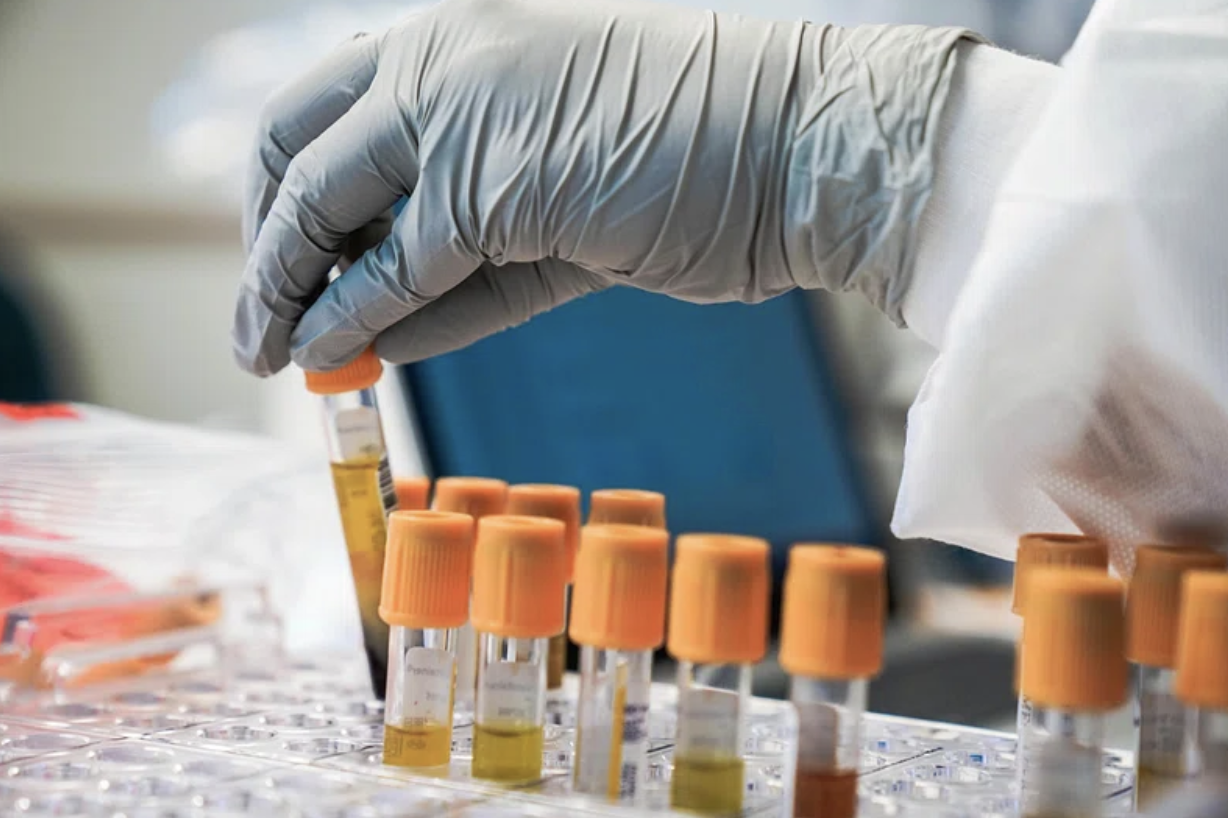
Medical advancement depends greatly on biomedical research. However, not all biomedical research will fit the biotechnology market needs and interests, which leaves a majority of medical inquiry in the hands of government and academic institutions. Federal grants can support higher risk or long-term studies, and funding bodies can shift their grant focuses in times of particular need, such as COVID-19.
Current political climates leave many academia professionals uneasy about the future of their work, largely due to cancellation of National Institute of Health grants, with several hundred of these cancelled throughout this year alone. I spoke with two researchers in the Witt Lab, part of the Department of Surgery at the University of Virginia, to shed some light on how researchers themselves experience these changes in federal oversight of academia.
Dr. Witt is a surgical oncologist and medical scientist at UVA, specializing in soft tissue sarcoma and melanoma. He describes his clinical work as caring for patients with advanced skin cancers, while his lab focuses on providing a deeper understanding of melanoma treatment.
“My research,” Witt says, “focuses on understanding why some melanoma cells survive targeted therapy, specifically how obesity and sex hormones influence tumor metabolism and drug resistance.”
Jacob Sellers is a full-time researcher under Dr. Witt, focusing on cancer drugs dabrafenib and trametinib. The Witt Lab’s goal is to utilize mouse models and patient data to “provide insights into more durable treatment responses for patients with melanoma.”
“The priorities of the current administration play a large role in dictating what projects do and do not get funded,” Sellers explains.
However, Dr. Witt believes this politicization of research has always shared a tight connection with public policy, but its relationship has gained more public attention and became “more polarized, particularly around topics like vaccines, public health, and funding priorities.” The struggle between public policy and science, he believes, lies in the scientists’ ability to “maintain public trust while ensuring that the science remains guided by evidence rather than ideology.”
A major speculation of the future of biomedical research with continued increase of political influence is a divide in biomedical research, where at one end lies projects aligning with federal priorities receiving large government funding while the other comprises small independent projects, less funded but potentially more expansive in their topics. Witt and Sellers agree research may already reflect this. Sellers says some projects will focus on catering to federal grant reviewers while many smaller projects appeal to more niche independent funding sources. Witt explains the larger, federal funding projects tend to take on areas of research with “clear translational or public health impact” while these smaller projects may reflect more “unconventional ideas.” This split is not clear-cut, according to Sellers, with researchers looking for funding from both sources. Dr. Witt sees these sources as compliments, with the smaller independent research driving innovation and larger federal programs providing stability in research. However, Dr. Witt warns, “The challenge for the field will be maintaining balance so that we don’t lose the exploratory science that often leads to breakthroughs.”
The other, more worrisome hypothetical is if medical research was cut to a level where investigators could no longer financially maintain their labs. In their specific field of cancer, Sellers and Witt differ on how the cancer research community would rebound.
“Cancer research would probably recover pretty quickly, it would just depend on the details of money returning to the field,” Sellers explains, citing the abundance of active labs and data within the field. Dr. Witt is less hopeful in this scenario: “The impact would be profound and long-lasting. It takes years to build the infrastructure, expertise, and mentorship pipelines that sustain cancer research, and losing them would set the field back by decades.”
While he believes recovery is possible, it would be slow, with reinvestment required in both grants and the trust researchers have in academia. Despite this, Dr. Witt describes the research community as resilient, and able to recover from any setback in funding. This same community is vital to medical treatment at a global level.
Dr. Witt declares, “Cancer remains one of the leading causes of death worldwide, and every advance we make, whether in prevention, early detection, or treatment, translates directly into lives saved.”
He attributes the progress from “temporary responses to durable cures” to continued research requiring long term commitment from government funding. He describes government funding as essential for the “foundational, high risk science” that don’t necessarily align with industry market interests. The continuous government investment in biomedical research “ensures discoveries benefit everyone, not just those who can afford access to cutting-edge therapies.” Sellers agrees on this, adding that any knowledge produced from their research can connect and apply to a variety of biological functions.
Because of the importance of medical and especially cancer research, Witt and Sellers both remain hopeful for the future of medical academia. While Sellers believes that current funding trends may make it difficult for new researchers to receive grants, cancer research as a whole will continue to be well funded. Dr. Witt explains that even if funding remains difficult, new computational tools and research technology as well as private partnerships will keep medical academia alive. Deeper understanding from policymakers, interest from the general population, and transparency from researchers can allow for academic medicine to continue to drive innovation of medicine and make treatment both more effective and accessible to patients worldwide.