Featured
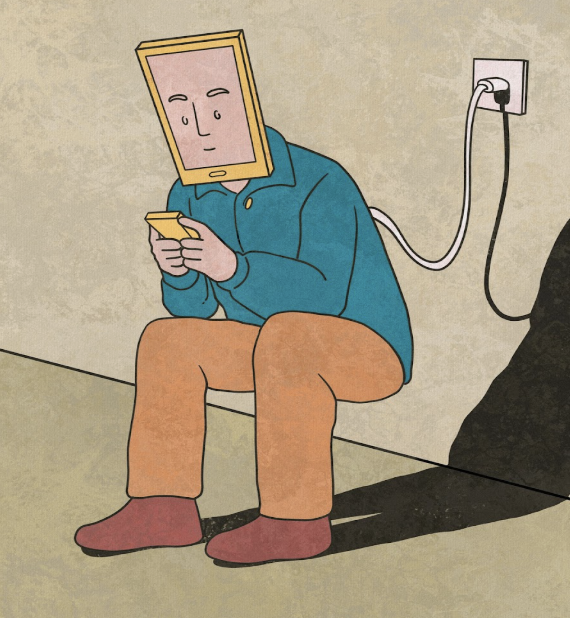


Social media warning labels are gaining political momentum, but their efficacy in addressing social media addiction remains ambiguous. Due to differences in behavioral and chemical dependence, this type of addiction requires deeper structural reforms rather than relying on warning labels alone.
With the rise of social media, speech labeled offensive or hateful has come under increasing scrutiny. While calls to restrict such expression are growing louder, limiting it enables egregious government overreach.
As a matter of policy, the Olympic Games are supposedly “politically neutral.” But with the current political climate in the United States and abroad, athletes should use their unique platform to speak out, and the International Olympic Committee should allow it.
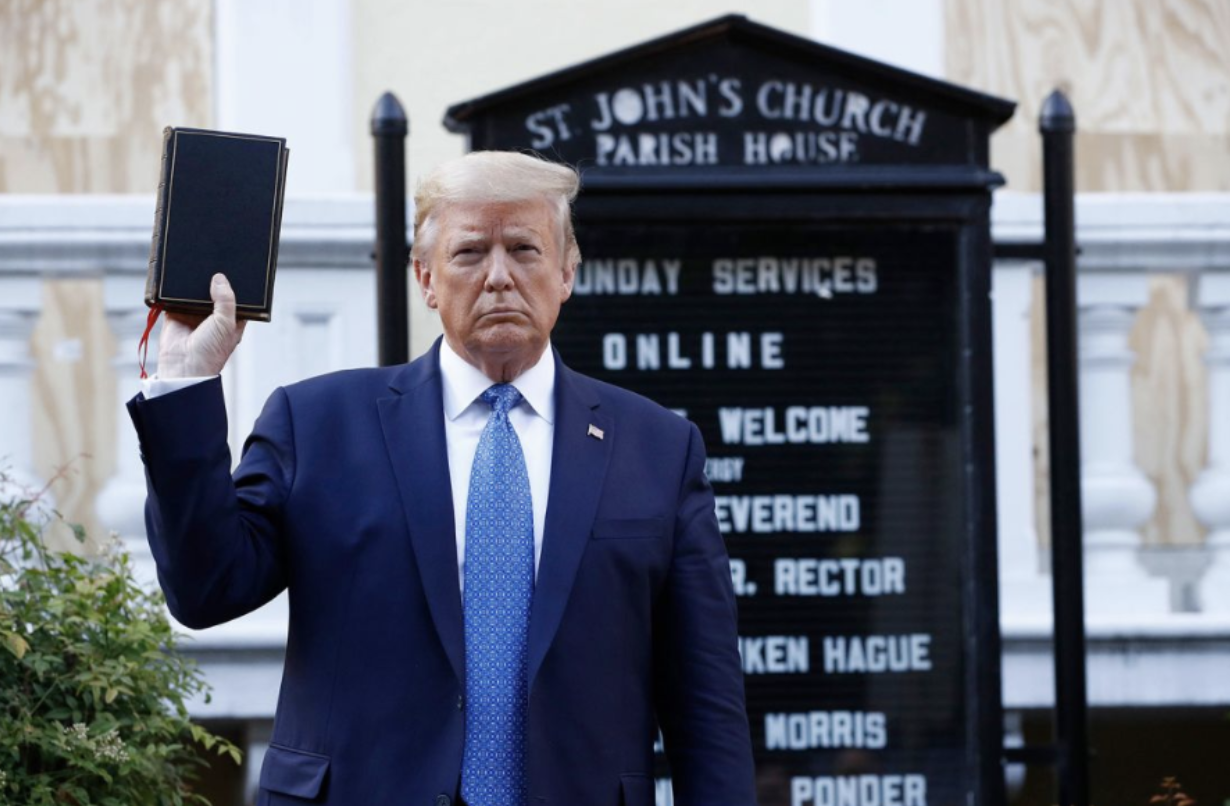
Since returning to power in 2024, the Trump administration has disingenuously used Christianity to justify leadership and administrative decision-making. However, their actions severely misrepresent biblical teachings.
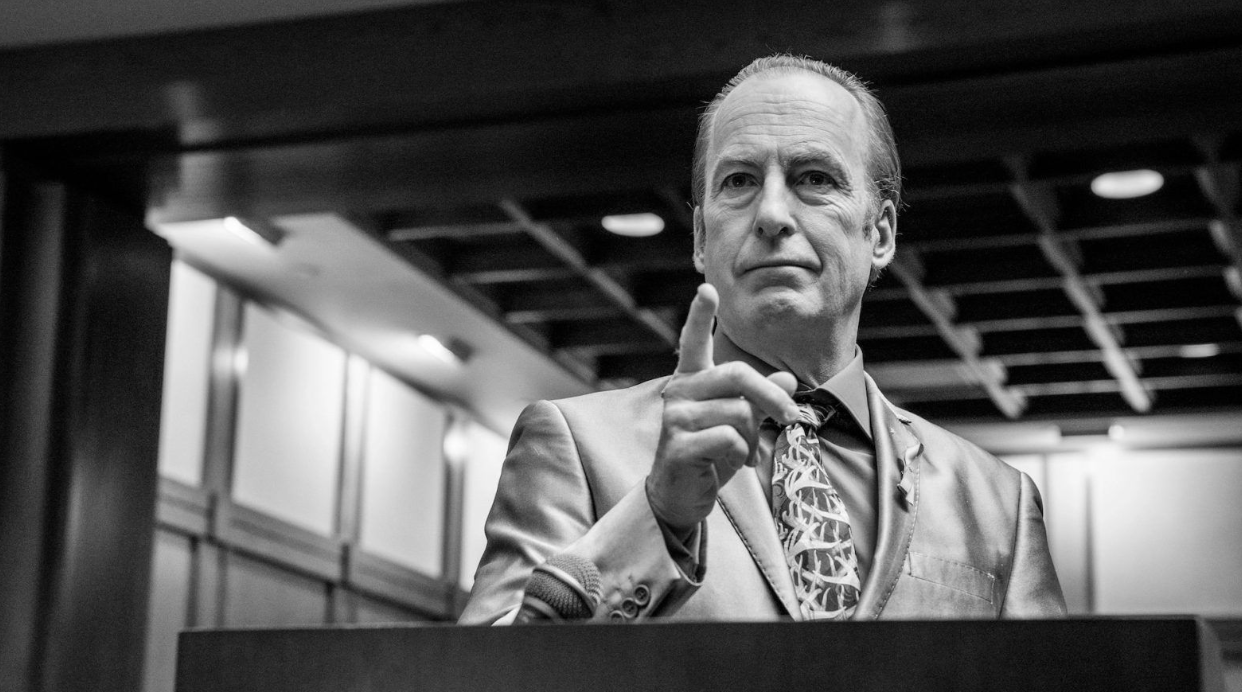
The TV crime drama Better Call Saul stress tests what it means to be redeemable, demonstrating how invaluable it is to simply understand one another.
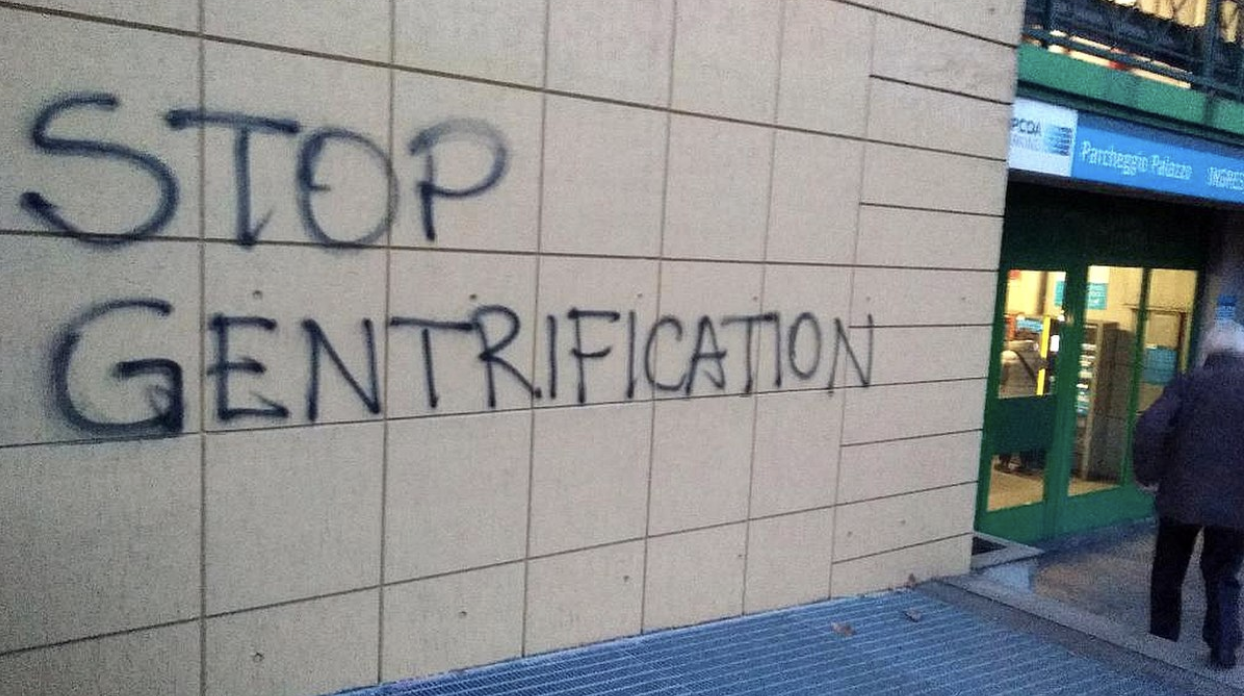
As developers put profits over people, Charlottesville is undergoing gentrification. Charlottesville’s Public Housing Association of Residents (PHAR) is fighting to stop this.
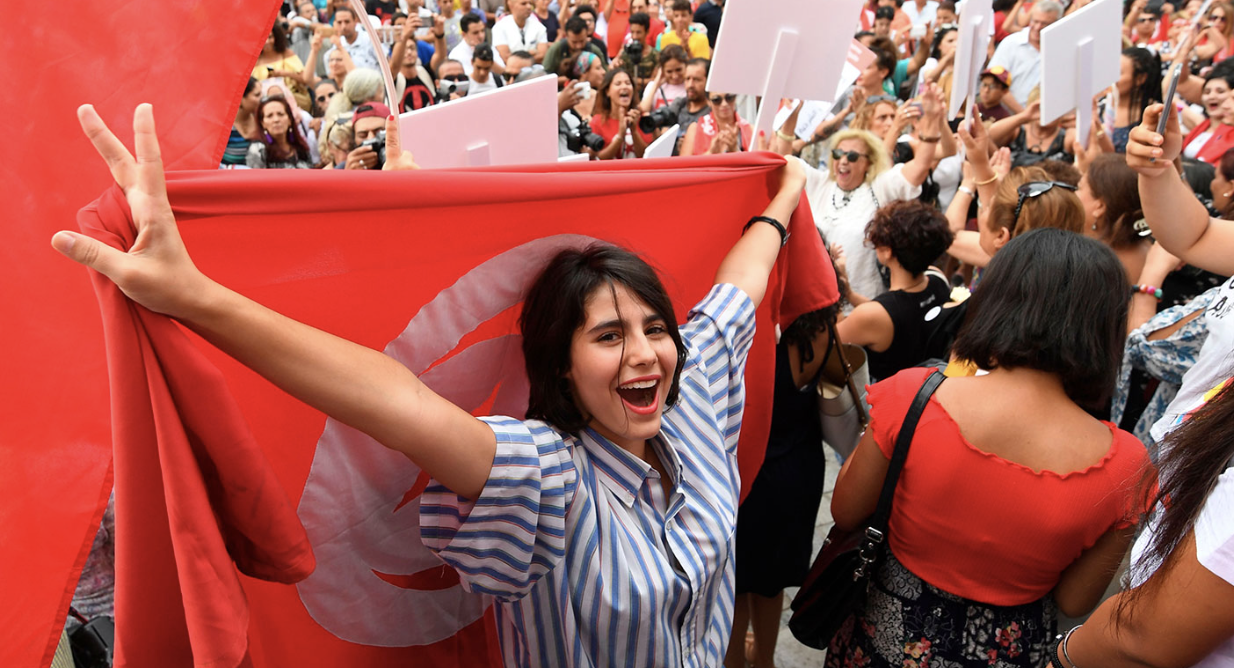
State feminism can only go so far. In the case of Tunisia, the impact of pinkwashing has been used to cover up the tight authoritarian grip on the nation.
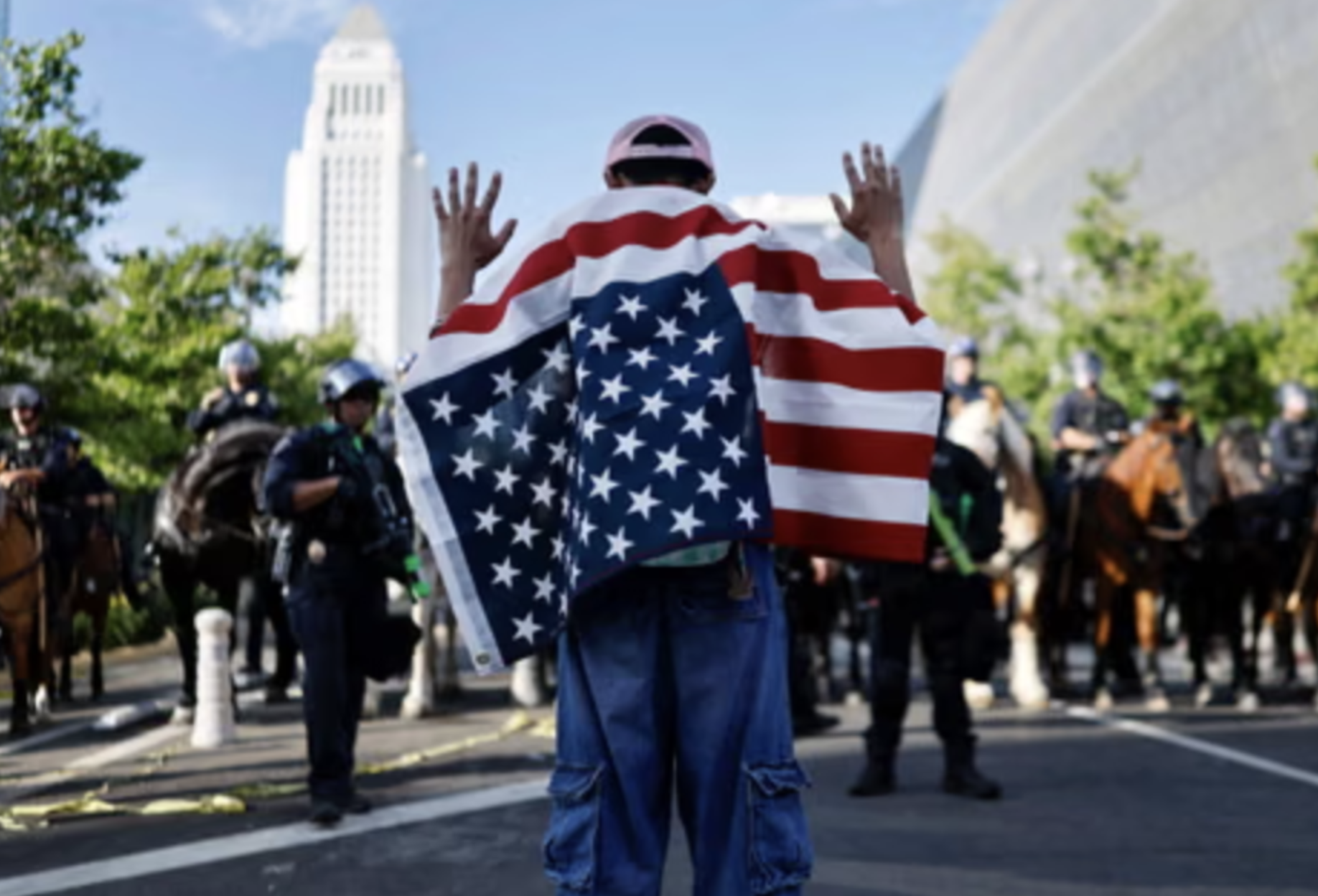
Since President Trump has taken office, he has reshaped the American media and challenged the First Amendment by detaining student protestors, restricting news outlets, attacking educational institutions, and sidelining judges.
Olympians represent their countries on the world stage, but this has never meant total agreement. As politics increasingly shape the Games’ perceptions, the real challenge may be our response to athletes speaking as citizens as well as competitors.