
RECENT EDITORIALS
Online




By dismantling Biden’s domestic agenda and upending ongoing projects, the Trump administration is rejecting a model of governing that prioritized long-term growth and stability in favor of one without coherent goals.
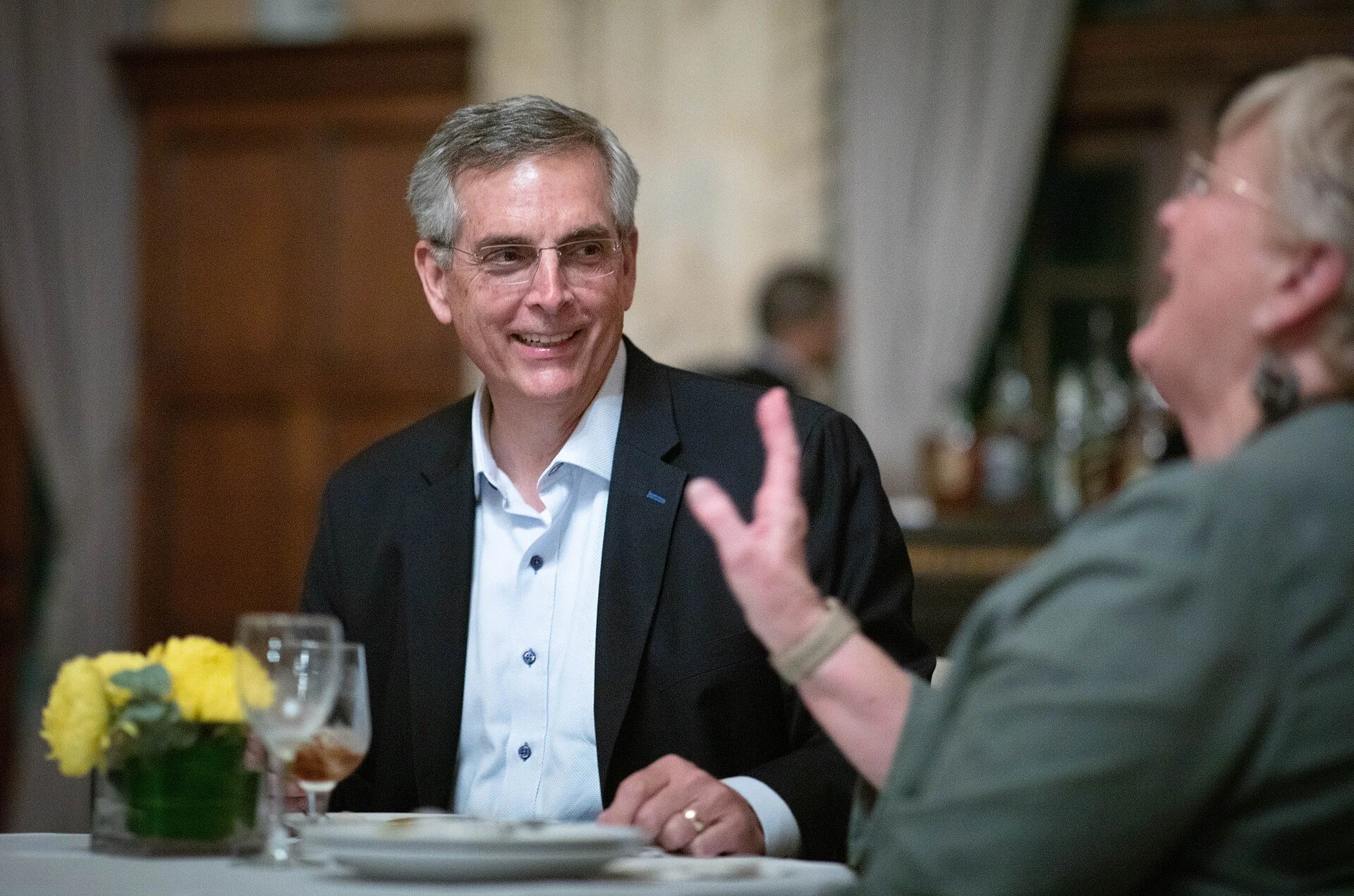
Georgia has been one of the most politically contentious states over the last decade, and now it faces an intensely competitive primary on both sides of the aisle. The divisions we see, however, are not too unfamiliar from those around the nation and can give us valuable insights into what to expect moving forward.
The State of the Union, the press briefing room, and other political moments have one thing in common- spectacle is overtaking substance. Performative politics is dominating media outlets, and Americans are losing political information because of it.
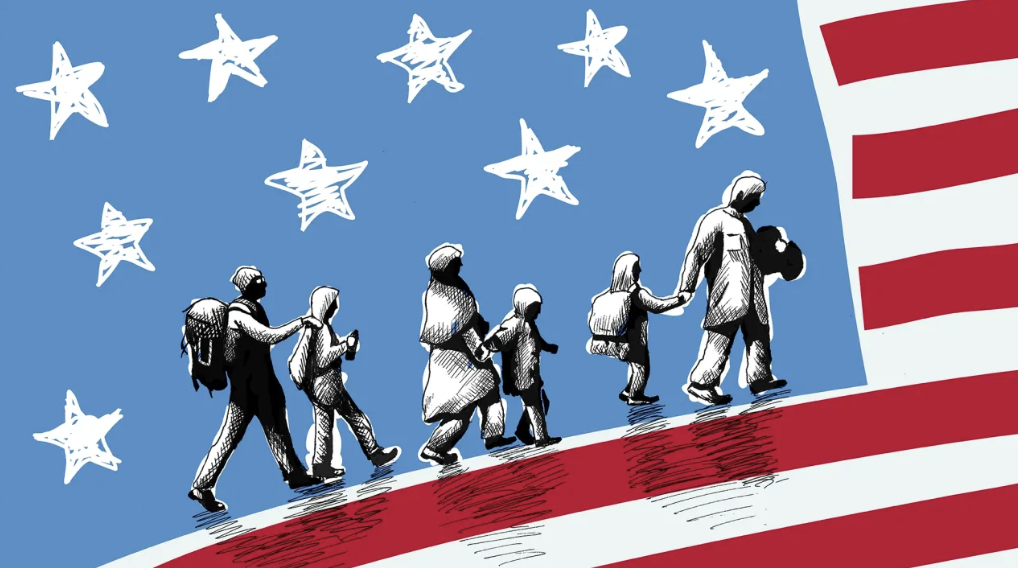
With the U.S. fluctuating over the century with its immigration policy, the Trump administration has marked a significant departure to immigration crackdowns and border enforcement. As public opinion is starting to favor immigration and oppose Trump’s policies, it begs the question of the contribution immigrants bring to our economy, workforce, and GDP.
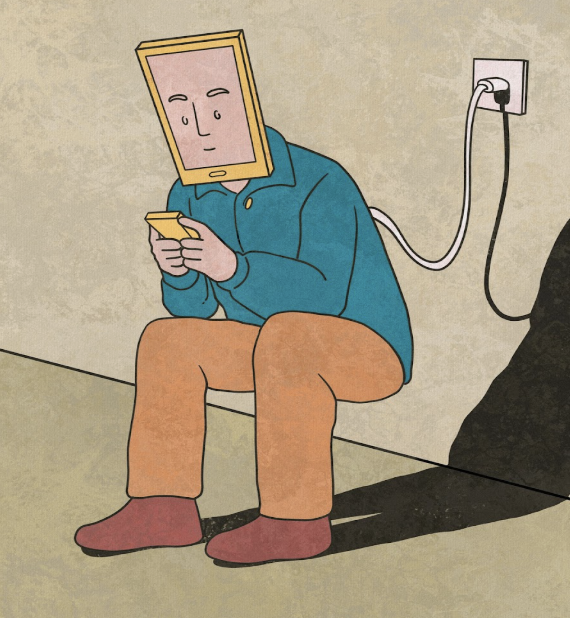
Social media warning labels are gaining political momentum, but their efficacy in addressing social media addiction remains ambiguous. Due to differences in behavioral and chemical dependence, this type of addiction requires deeper structural reforms rather than relying on warning labels alone.
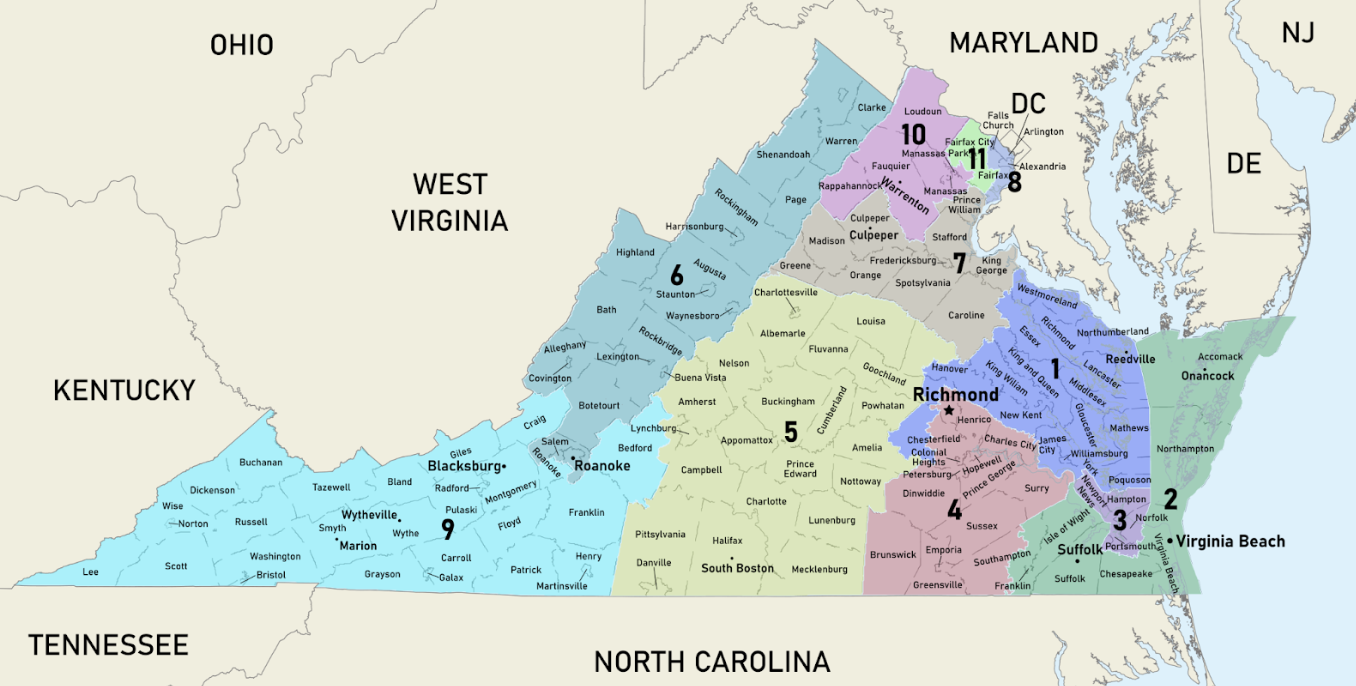
Mid-decade redistricting efforts have begun in many states with the intent of creating partisan districts. These tactics create electoral advantages for the major political parties in the upcoming midterm elections. This sets a dangerous precedent for future presidents and governors to follow and threatens American civic culture.
With the rise of social media, speech labeled offensive or hateful has come under increasing scrutiny. While calls to restrict such expression are growing louder, limiting it enables egregious government overreach.
As a matter of policy, the Olympic Games are supposedly “politically neutral.” But with the current political climate in the United States and abroad, athletes should use their unique platform to speak out, and the International Olympic Committee should allow it.
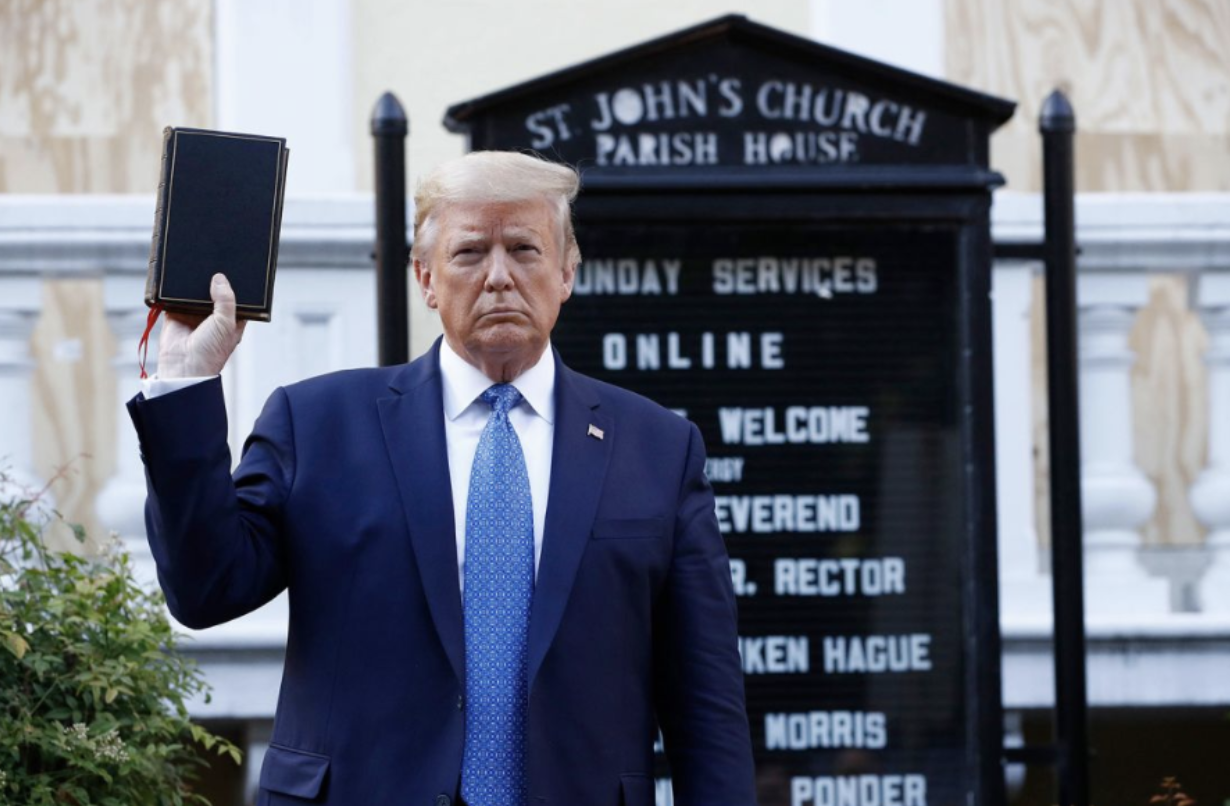
Since returning to power in 2024, the Trump administration has disingenuously used Christianity to justify leadership and administrative decision-making. However, their actions severely misrepresent biblical teachings.
Our country burns. Our allies are turning away from the falling empire. In the meantime, Americans must take America back.
The 2025 New York City Mayoral Election had people from across the nation on the edge of their seats. The election ultimately resulted in a victory for Democratic-Socialist Zohran Mamdani, potentially indicating a new phase for the Democratic Party.
Olympians represent their countries on the world stage, but this has never meant total agreement. As politics increasingly shape the Games’ perceptions, the real challenge may be our response to athletes speaking as citizens as well as competitors.